- 01865317483, 07856131431
- help@gbclinics.co.uk
Clinic Hours:
Tuesday & Friday : 10:00 AM – 8:00 PM || Wednesdays & Thursdays 11:00 AM – 5:00 PM

Subacromial Pain Syndrome & Rotator Cuff Disorders
- Home
- Subacromial Pain Syndrome & Rotator Cuff Disorders
Subacromial Pain Syndrome & Rotator Cuff Disorders: What You Need to Know
Shoulder pain is one of the most common musculoskeletal complaints, and a large proportion of it originates from the subacromial space—a narrow area between the top of the shoulder blade (acromion) and the rotator cuff tendons. This is often referred to as Subacromial Pain Syndrome (SAPS), which includes a range of conditions involving irritation, inflammation, or damage to the rotator cuff.
What Is Subacromial Pain Syndrome?
Subacromial Pain Syndrome is a broad term used to describe shoulder pain arising from structures in the subacromial space. This often includes:
- Rotator cuff tendinopathy or tears
- Subacromial bursitis
- Impingement of soft tissues beneath the acromion
- Degenerative changes or inflammation from overuse or poor mechanics
Understanding the Rotator Cuff
The rotator cuff is a group of four muscles and tendons that stabilise the shoulder and help lift and rotate the arm. These tendons can become irritated or torn due to overuse, poor posture, repetitive overhead activity, or trauma.
Common Rotator Cuff Disorders Include:
- Tendinopathy: Degeneration or inflammation of the tendons
- Partial or Full-Thickness Tears: Ranging from mild damage to complete rupture
- Subacromial Bursitis: Inflammation of the fluid-filled sac that cushions the tendons
- Calcific Tendinitis: Calcium deposits forming within the tendon, causing pain and inflammation
Symptoms to Watch For
- Pain on the outside or front of the shoulder
- Discomfort with lifting, reaching overhead, or sleeping on the affected side
- Weakness when raising or rotating the arm
- Clicking or catching sensation during movement
- Limited range of motion
Accurate Diagnosis Is Key
At our clinic, we provide a comprehensive shoulder assessment, ensuring accurate diagnosis and efficient treatment planning:
- Clinical examination of movement, strength, posture, and impingement signs
- Diagnostic musculoskeletal ultrasound scan to visualise the rotator cuff tendons, bursa, and subacromial space in real time
- Referral for MRI if deeper imaging is necessary for complex or full-thickness tears
Why Choose Us?
- Same-day assessment, diagnosis, and treatment
- Expert-led care by a Consultant Physiotherapist with over 20 years’ experience
- Diagnostic ultrasound and injections performed in-clinic
- Fully registered with HCPC and CSP
- Personalised rehabilitation to help you recover faster and avoid recurrence
Treatment Options at Our Clinic
We offer a full range of non-surgical, evidence-based treatments tailored to your diagnosis and lifestyle:
-
Physiotherapy
-
Targeted strengthening and mobility exercise
-
Postural re-education
-
Manual therapy techniques
-
Gradual return-to-activity programmes
-
Ultrasound-Guided Injections
-
Corticosteroid injections to reduce inflammation in the subacromial bursa and relieve pain
-
Performed under real-time ultrasound guidance for precise targeting and effectiveness
-
Shockwave Therapy (if available)
-
Stimulates healing in chronic tendon conditions such as rotator cuff tendinopathy or calcific tendinitis
-
Referral to Specialist
-
For significant rotator cuff tears, persistent pain, or failed conservative treatment, we facilitate referral to an orthopaedic consultant for surgical consideration
Don’t Let Shoulder Pain Hold You Back
Subacromial pain and rotator cuff disorders are treatable—and early intervention makes a big difference. Whether your pain is new or long-standing, we’re here to help you move better, feel stronger, and return to the activities you love.
Book your consultation today and take the first step toward a pain-free shoulder.
Understanding Shoulder Arthritis and How We Can Help
What Is Glenohumeral Joint Osteoarthritis?
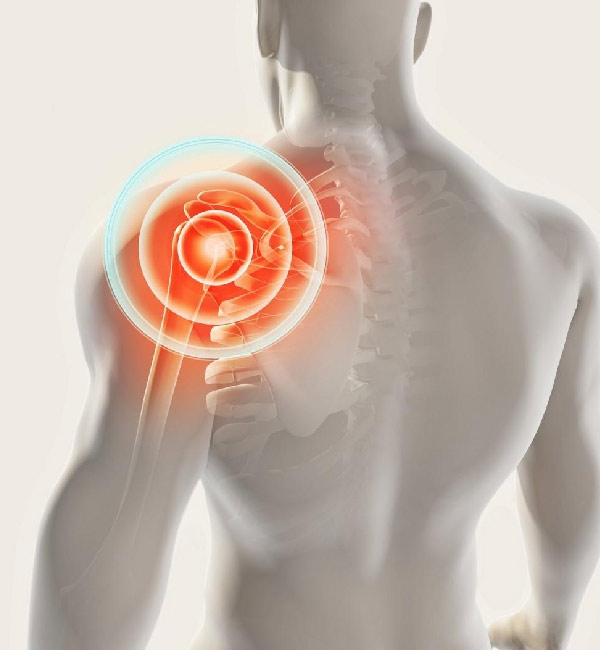
Glenohumeral osteoarthritis is a degenerative condition affecting the main shoulder joint—where the upper arm bone (humerus) meets the shoulder socket (glenoid). Over time, the cartilage that cushions the joint wears away, leading to pain, stiffness, and reduced mobility.
This condition is most common in adults over the age of 50, but it can also develop earlier due to injury, repetitive stress, or previous shoulder surgery.
Common Symptoms
Patients with glenohumeral osteoarthritis often experience:
- Deep, aching pain in the shoulder
- Stiffness, especially in the morning or after rest
- Difficulty lifting the arm or reaching overhead
- Clicking, grinding, or catching sensations during movement
- Muscle weakness around the shoulder
- Pain that worsens with activity and improves with rest
What Causes It?
Glenohumeral osteoarthritis can develop due to:
- Age-related wear and tear
- Previous shoulder injuries (dislocations, fractures)
- Repetitive use or heavy lifting over many years
- Inflammatory conditions such as rheumatoid arthritis
- Genetic predisposition or joint abnormalities
How Is It Diagnosed?
At our clinic, we use a combination of clinical expertise and advanced imaging to accurately diagnose shoulder arthritis:
- Comprehensive shoulder assessment: To evaluate your range of motion, strength, and function
- Diagnostic musculoskeletal ultrasound: To assess joint inflammation, bone changes, and surrounding soft tissues in real time
- Referral for X-rays or MRI if further joint detail is needed
Treatment Options We Offer
Our clinic offers a full range of non-surgical treatments aimed at reducing pain, improving mobility, and delaying or avoiding surgery:
-
Physiotherapy
-
Tailored exercises to improve flexibility, strength, and joint support
-
Manual therapy techniques to improve joint mechanics
-
Postural training to reduce shoulder strain during daily activities
-
Ultrasound-Guided Injections
-
Corticosteroid injections to reduce inflammation and relieve pain
-
Hyaluronic acid injections (e.g., Ostenil®, Durolane®, Synvisc®, Biolevox®) to lubricate the joint and improve movement
-
Cingal® injections (a combination of steroid and hyaluronic acid for enhanced relief)
-
All injections are performed under ultrasound guidance for maximum precision and effectiveness
-
Advanced Injection Options
-
Arthrosamid® injections (available for knee OA currently; shoulder use is under investigation—ask us for updates)
-
Referral to Orthopaedic Specialist
-
If conservative treatment doesn’t provide sufficient relief, we can refer you to an orthopaedic consultant for further options, including joint replacement.
Why Choose Our Clinic?
- Same-day assessment, imaging, and treatment
- Expert care by a Consultant Physiotherapist with over 20 years’ experience
- Use of diagnostic ultrasound and ultrasound-guided injections
- Fully registered with the Health & Care Professions Council (HCPC) and Chartered Society of Physiotherapy (CSP)
- Personalised, evidence-based care plans
Take the First Step Toward Relief
Shoulder arthritis can make daily life difficult—but help is available. Early diagnosis and treatment can help you manage symptoms, avoid surgery, and keep doing the things you love.
Contact us today to book your consultation and start your journey to a pain-free shoulder.